Australian beneficial ownership disclosure rules are changing
The rules are now final. FundApps is here to help you stay ready for December 2026.
The Treasury Laws Amendment Act 2025 introduces the most significant reforms to Australia's beneficial ownership framework in years. With the rules now final, FundApps will have you ready for 4 December 2026.

Australian beneficial ownership disclosure rules are changing
The rules are now final. FundApps is here to help you stay ready for December 2026.
The Treasury Laws Amendment Act 2025 introduces the most significant reforms to Australia's beneficial ownership framework in years. With the rules now final, FundApps will have you ready for 4 December 2026.
Australia is overhauling its beneficial ownership framework for the first time in years. The Treasury Laws Amendment Act 2025, informed by ASIC CP 387, introduces major changes to how substantial shareholding disclosure obligations are calculated and enforced.
From December 2026, cash-settled derivatives and other economic interests will be brought into scope for the first time. ASIC's enforcement powers will widen, and penalties for non-compliance will increase substantially. Firms with exposure to Australian-listed entities will face a materially different compliance landscape.
On 30 July, ASIC finalised the legislative instrument, the new Substantial Holding Notice, and updated regulatory guidance. The full picture is now available, and firms have four months to prepare. FundApps has everything you need to get ready in one place.
.jpg?width=1920&height=1080&name=Artboard%201%20(5).jpg)
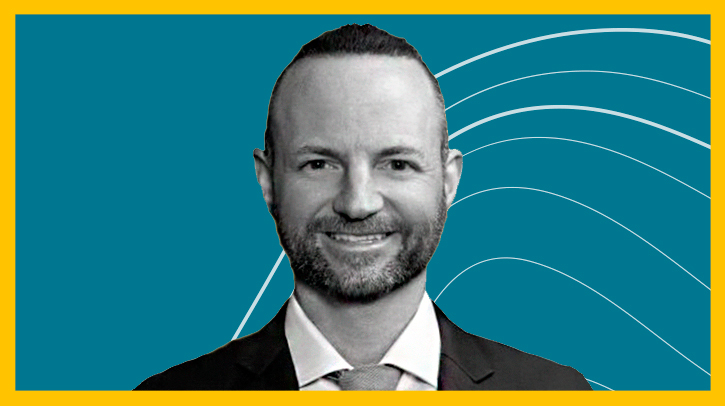
Dan Harris, Partner, A&O Shearman
Dan is a corporate partner in A&O Shearman’s Sydney office and has extensive expertise in shareholding disclosures and foreign investment laws, including advising on aosphere’s Australian rules. Dan’s practice includes complex cross‑border technology and communications transactions and advising domestic and international funds, corporates and investment managers on acquisitions, disposals, joint ventures, and fundraisings.
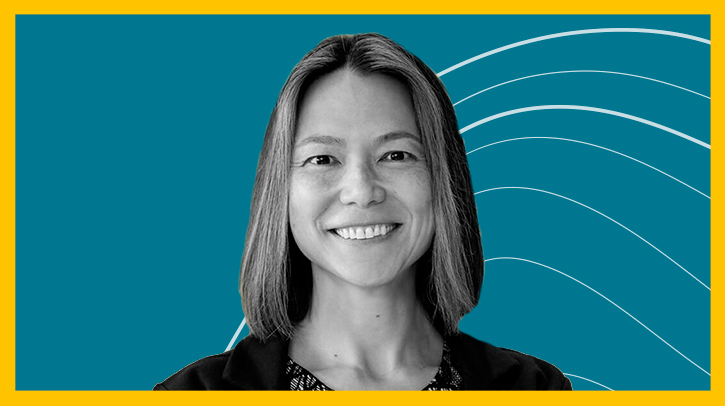
Sarah Eng, Regulatory Manager, FundApps
Sarah has spent her career within the investment management world, in operational and compliance roles. Prior to joining FundApps, she was VP at Chicago-based Harris Associates, responsible for global shareholding disclosures. She has a BA from Ripon College and an MLIS from the University of Pittsburgh.
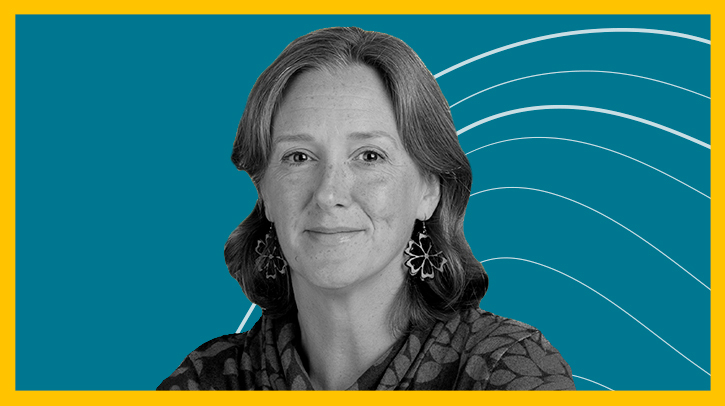
Rebecca Clayton, Specialist Shareholding Disclosure Lawyer, aosphere
Rebecca plays a key role in maintaining and developing aosphere’s Rulefinder Shareholding Disclosure and is responsible for its Australian coverage. She specialises in regulatory reporting and securities regulation, with extensive expertise in global shareholding disclosure requirements. Before joining aosphere, she was an international capital markets associate at Allen & Overy
.jpg?width=1920&height=1080&name=Artboard%201%20copy%209%20(1).jpg)
ASIC finalises beneficial ownership disclosure rules
ASIC has finalised the rules for Australia's substantial holding regime. What changed from the draft, and what managers need to know before December 2026.

Why we're pushing back on ASIC's tech assumptions
ASIC is deciding how Australia's new substantial shareholding disclosure laws get implemented. FundApps explains how that choice has real consequences for global compliance teams.
FundApps' response to CP 387
FundApps responds to ASIC Consultation Paper 387, arguing for structured, machine-readable disclosure formats that serve transparency without sacrificing accessibility.